Through the Streets of Florence: The Mysteries and Secrets of Florence

Through the Streets of Florence: The Mysteries and Secrets of Florence
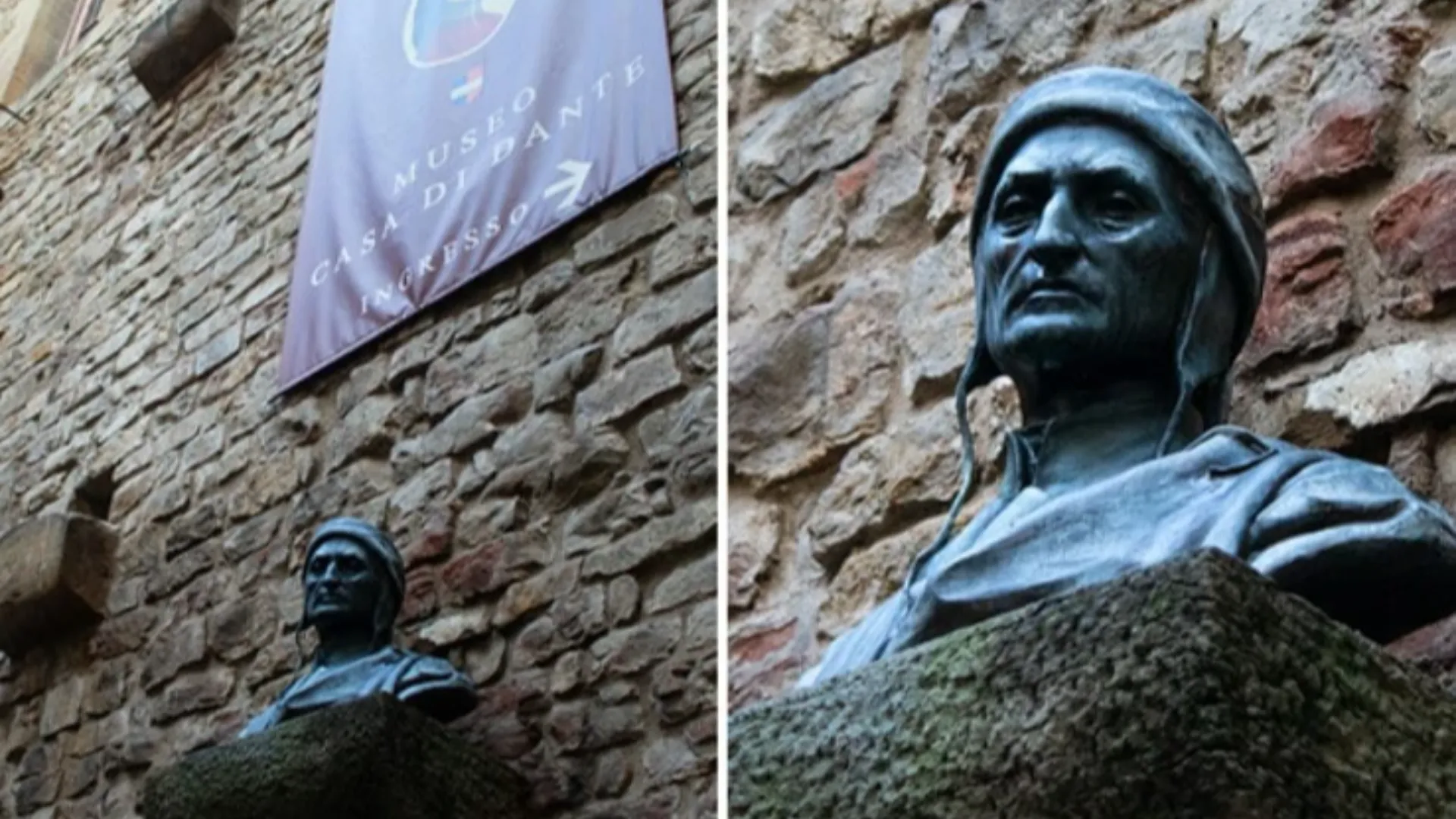
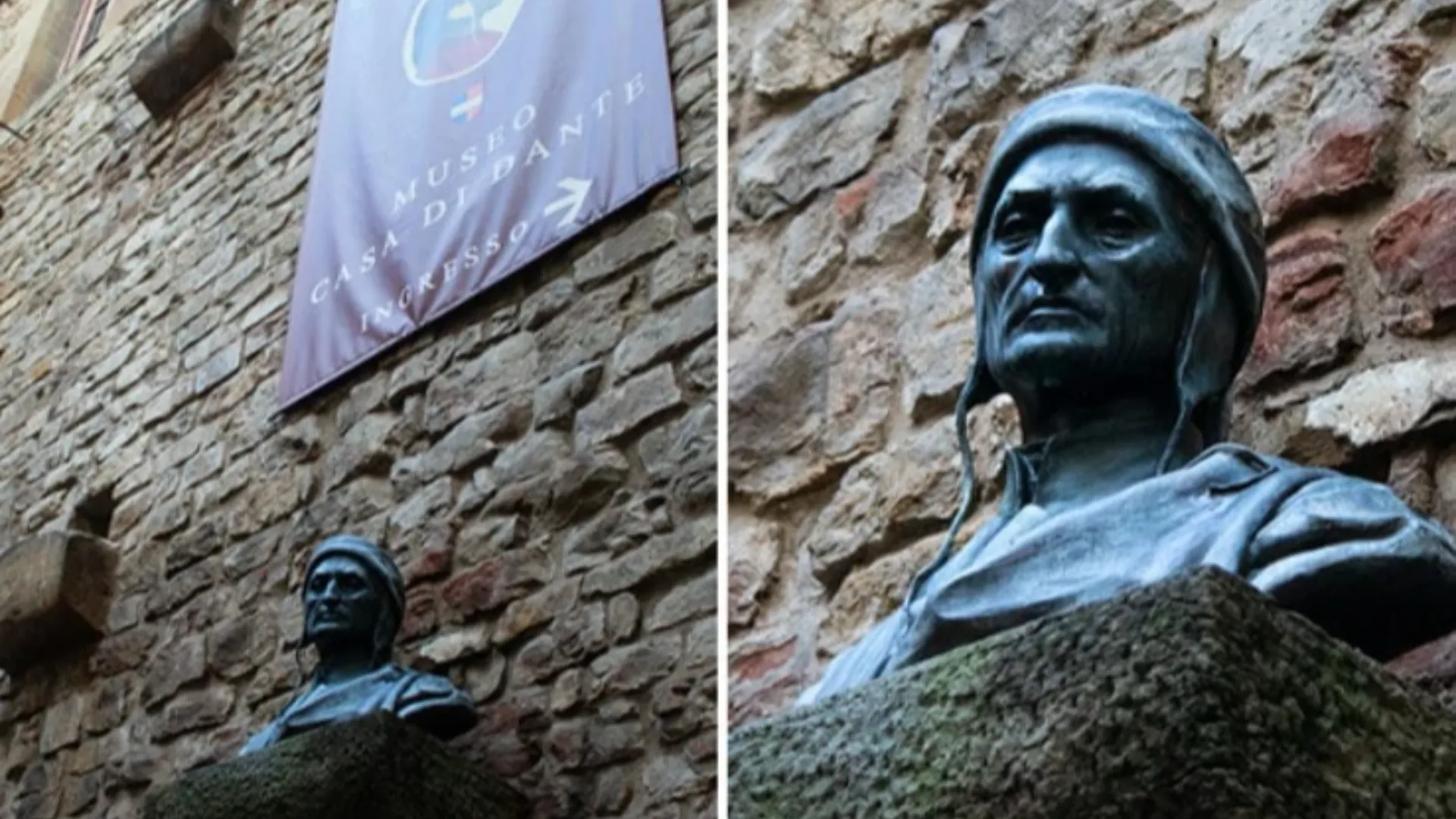
The streets of Florence, especially in the morning, offer great tranquility that is felt very intensely in the small streets of the center. The atmosphere that hovers is one of serenity imagining her as a lady who slowly wakes up and who, still in her sleep, turns over in the blankets. The luxury of this peace can be found in Via Dante Alighieri, Piazza San Martino, and Via dei Magazzini. In a potpourri made up of studded doors, exposed bricks, and affixed symbols that recall the characters of the past, stands the plaque "..I was born and raised above the Arno river at the Gran Villa."; this phrase by Dante Alighieri, taken from his Divine Comedy, acts as a preamble to what is not far away, in Via Santa Margherita, where the so-called Casa di Dante stands. It is not known if that is the poet's house even if Dante himself wrote that he was born nearby and although nearby he had met the love of his life Beatrice Donati. Casa di Dante is a museum in Florence, attached to the Church of Dante, which is managed by the Unione Fiorentina.
The streets of Florence, especially in the morning, offer great tranquility that is felt very intensely in the small streets of the center.
The atmosphere that hovers is one of serenity imagining her as a lady who slowly wakes up and who, still in her sleep, turns over in the blankets. The luxury of this peace can be found in Via Dante Alighieri, Piazza San Martino, and Via dei Magazzini.
In a potpourri made up of studded doors, exposed bricks, and affixed symbols that recall the characters of the past, stands the plaque "..I was born and raised above the Arno river at the Gran Villa."; this phrase by Dante Alighieri, taken from his Divine Comedy, acts as a preamble to what is not far away, in Via Santa Margherita, where the so-called Casa di Dante stands.
It is not known if that is the poet's house even if Dante himself wrote that he was born nearby and although nearby he had met the love of his life Beatrice Donati.
Casa di Dante is a museum in Florence, attached to the Church of Dante, which is managed by the Unione Fiorentina.
In any case, through the Star Florence agency, it is possible to admire this building by joining a Walking Tour in Florence.
Not very far from Dante's house, just below the Duomo of Florence, we can find the stone where the poet used to sit and reflect on his works or, normally, on himself. The index of the presumed ownership is given by the plate "I Vero Sasso di Dante".
Comments (2)
Verified Traveller
Lorem Ipsum is simply dummy text of the printing and typesetting industry. Lorem Ipsum has been the industry's standard dummy text ever since the 1500s, when an unknown printer took a galley of type and scrambled it to make a type specimen book. It has survived not only five centuries, but also the leap into electronic typesetting, remaining essentially unchanged. It was popularised in the 1960s with the release of Letraset sheets containing Lorem Ipsum passages, and more recently with desktop publishing software like Aldus PageMaker including versions of Lorem Ipsum.
Navindu Vishwaravi
Where does it come from? Contrary to popular belief, Lorem Ipsum is not simply random text. It has roots in a piece of classical Latin literature from 45 BC, making it over 2000 years old. Richard McClintock, a Latin professor at Hampden-Sydney College in Virginia, looked up one of the more obscure Latin words, consectetur, from a Lorem Ipsum passage, and going through the cites of the word in classical literature, discovered the undoubtable source. Lorem Ipsum comes from sections 1.10.32 and 1.10.33 of "de Finibus Bonorum et Malorum" (The Extremes of Good and Evil) by Cicero, written in 45 BC. This book is a treatise on the theory of ethics, very popular during the Renaissance. The first line of Lorem Ipsum, "Lorem ipsum dolor sit amet..", comes from a line in section 1.10.32. The standard chunk of Lorem Ipsum used since the 1500s is reproduced below for those interested. Sections 1.10.32 and 1.10.33 from "de Finibus Bonorum et Malorum" by Cicero are also reproduced in their exact original form, accompanied by English versions from the 1914 translation by H. Rackham.
Related Posts

Categories
-
Test Blog Category
-
Test Blog Category 03 Test
-
Travel Tips
-
Travel Articles
-
Budget Tips
-
Buket List
-
Day Trips
Newsletter
Subscribe to stay updated with our latest posts.
Please login to leave a comment.